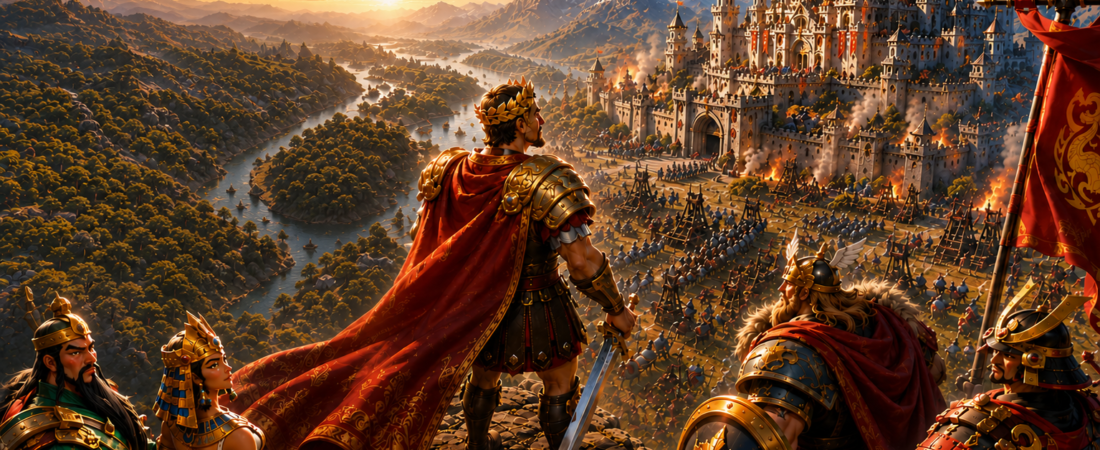
Direct answer: Start with the job you need—open field, barbarians, gathering or defense—then pair commanders whose skills support that job. Invest deeply in a small core before widening your roster.
Last reviewed: August 31, 2026. This is a research-based Spixla guide built from official game documentation and store information; it does not claim hands-on testing.
Quick answer
- Define the march’s job before choosing commanders.
- Read skills before spending universal sculptures.
- Build the primary commander’s talent tree for the activity.
- Pair commanders for complementary effects and troop type.
- Test a march in low-risk content before committing more resources.
Commanders are roles, not a tier list
Lilith describes commanders as historical figures with RPG-style talent trees and skill systems. That means value depends on context. A gathering specialist can be excellent while collecting and poor in open-field combat. A commander designed for one troop type may underperform when the march is mixed.
Ask what the march must do, then compare the exact skills available in your current version.
Primary and secondary commander logic
The primary commander leads the march and brings the active talent build. The secondary adds skills but does not contribute a second talent tree in the same way. Put the commander whose talents best support the task in front, then use the second slot to add damage, control, durability or utility.
Pairing two famous names is not a strategy unless their conditions and troop requirements work together.
Protect scarce investment
Commander progression contains resources that are easy to spend and slow to replace. Before using universal items, confirm the commander’s role, useful skill order and likely lifespan in your account. Early epic commanders can teach mechanics and complete content while you save rarer investment for a deliberate choice.
A practical evaluation checklist
- Does the skill apply to the activity?
- Does it require a troop type or battlefield condition?
- Does the second commander create or exploit that condition?
- Can your account support the required troop composition?
- Will this pair help with several near-term objectives?
Use combat reports. Compare damage dealt, damage taken, healing and remaining troops against similar targets. Reports turn a popular recommendation into evidence for your own account.
Frequently asked questions
Who should be the primary commander?
Usually the commander whose talent tree best supports the march’s specific task.
Should universal sculptures be spent immediately?
No. Save them until you understand the commander’s skill order, role and long-term value.
Is one pair enough?
One reliable pair is the right starting point. Add specialized marches after the first is stable.
Spixla verdict
The best commander plan is smaller than most beginners expect. One well-built pair with a clear job beats a wide roster of unfinished investments.
Partner disclosure: Spixla may earn a commission from eligible actions without changing the price for you.